Enriching our community with food, friends, and ecosystem services that build resilience
Project Lead: Jen Cotting
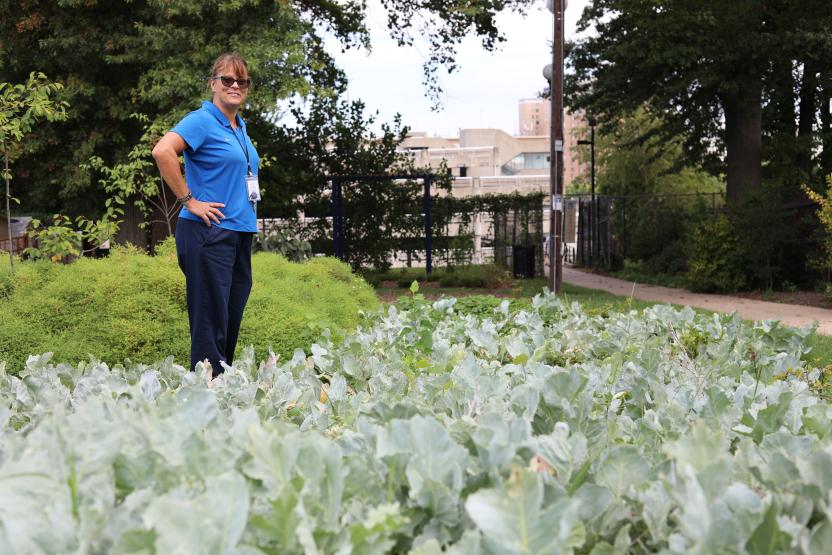
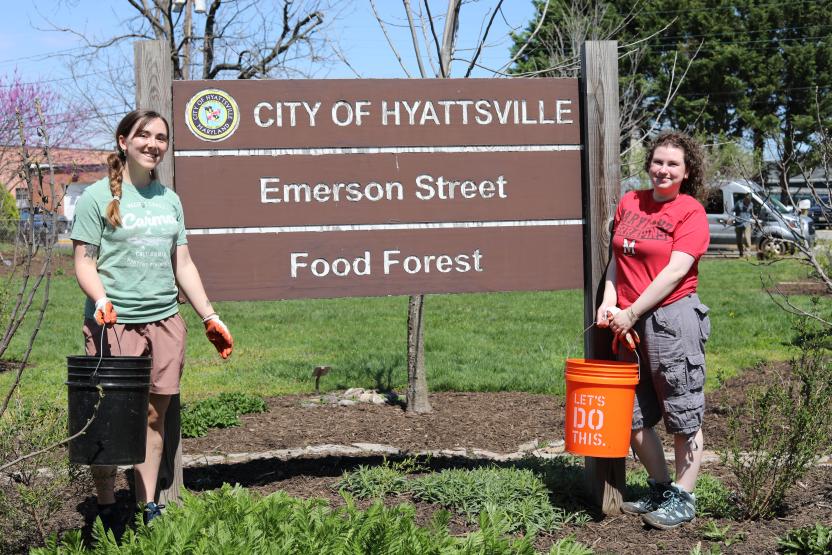
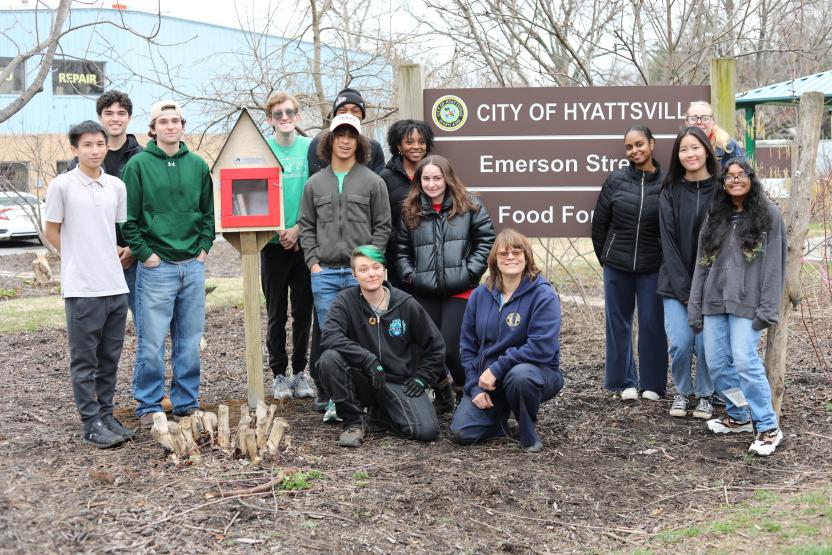
For more than a decade, the City of Hyattsville has participated in the Environmental Finance Center’s Sustainable Maryland program. In last year’s cycle the City earned silver level certification, partially due to the two “food forests” they have installed.
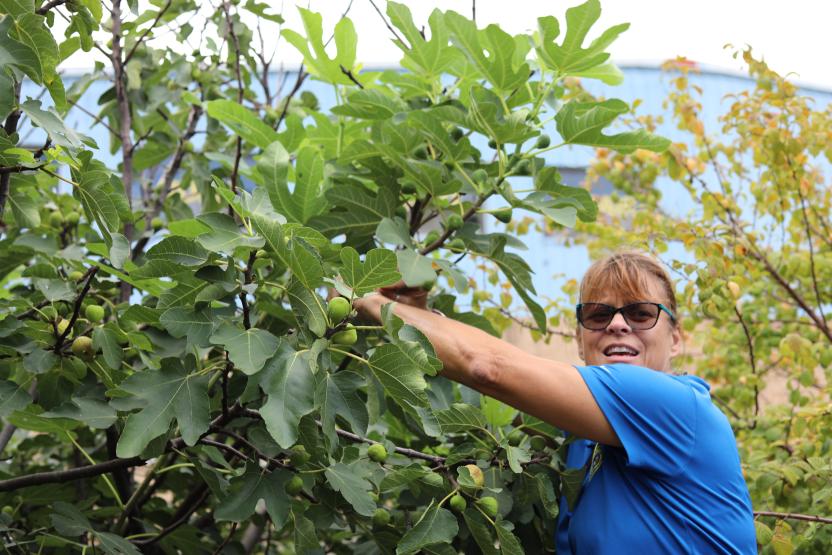
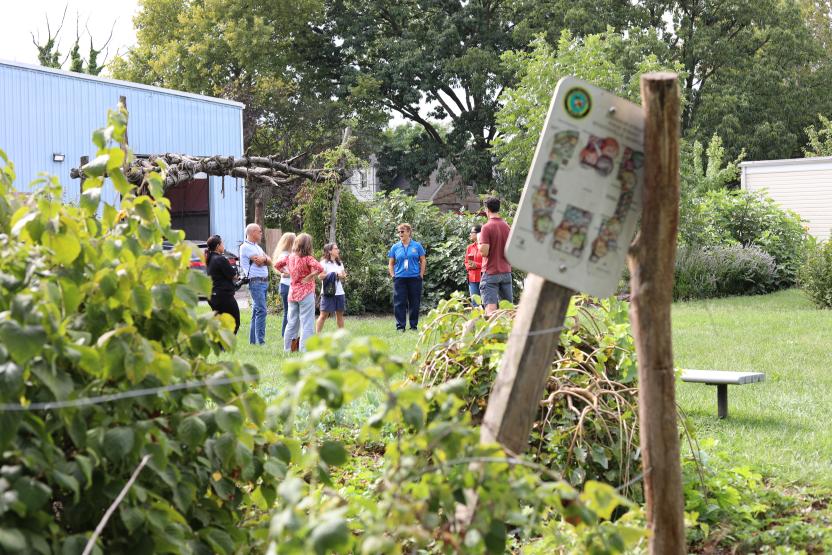
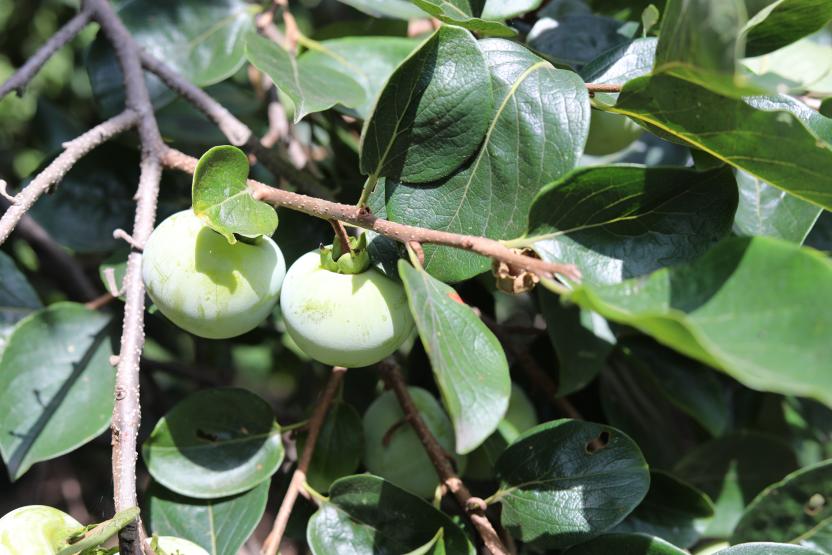
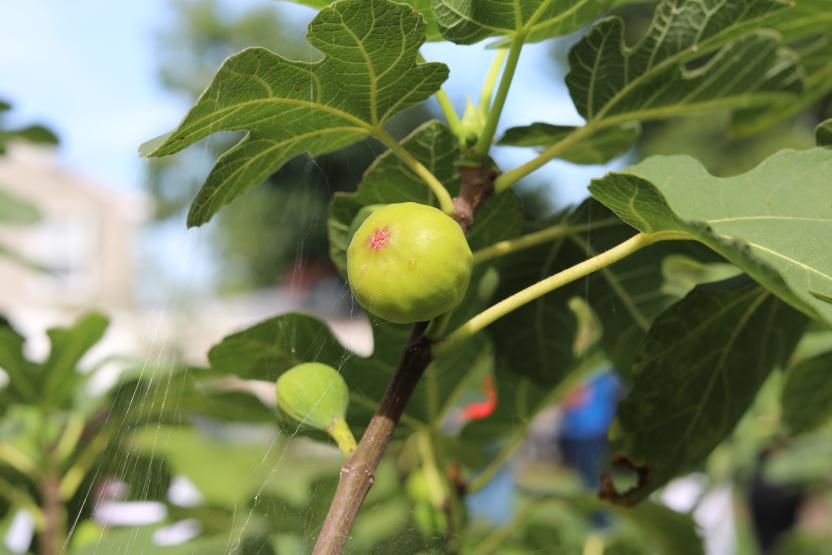
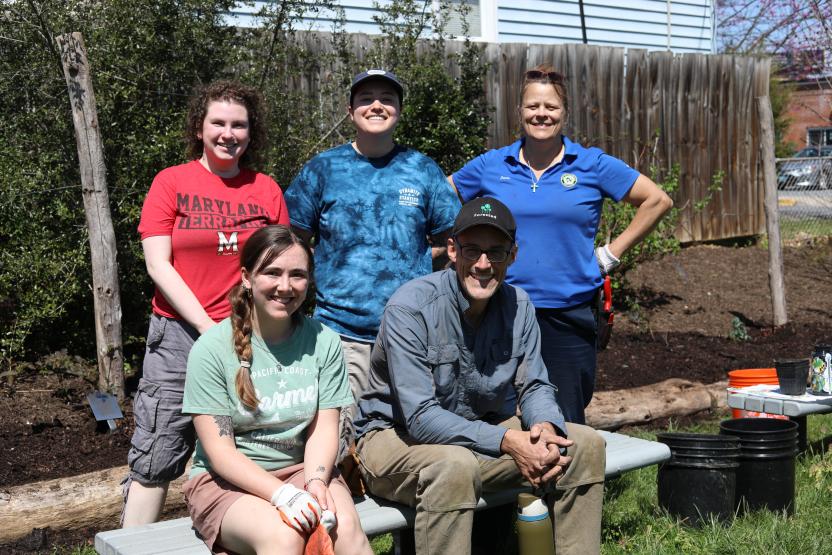
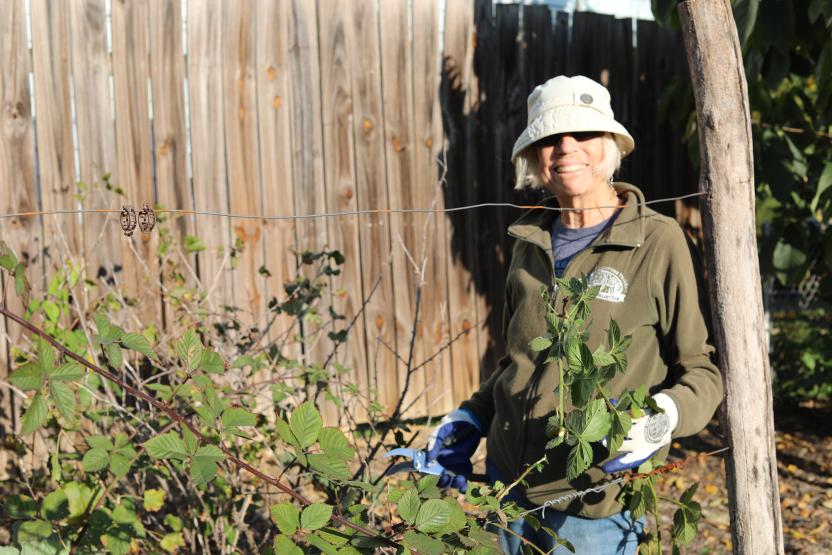
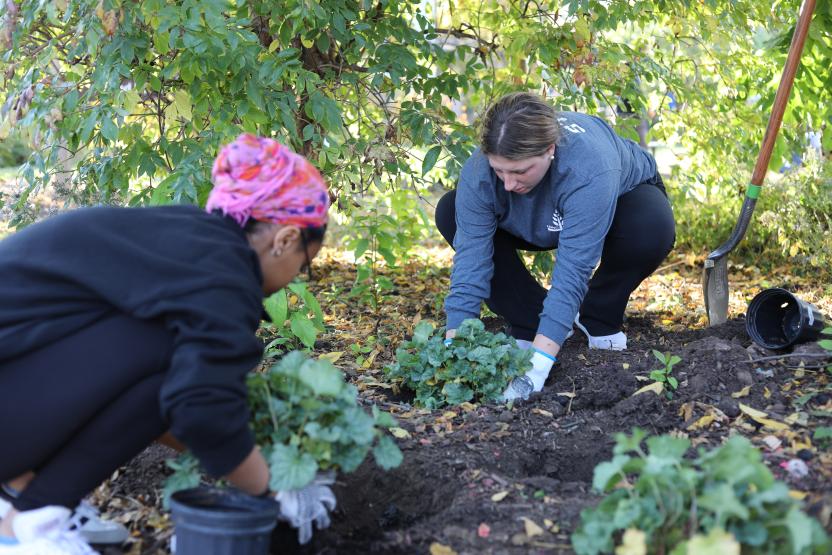
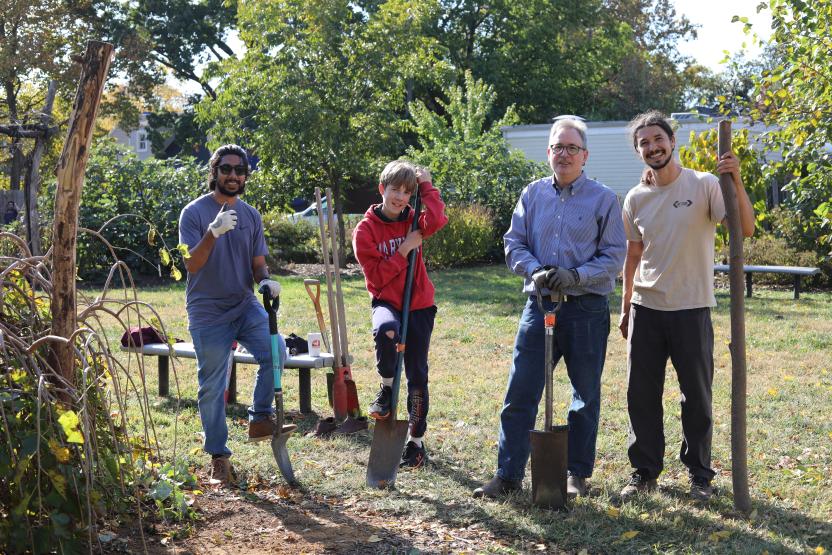
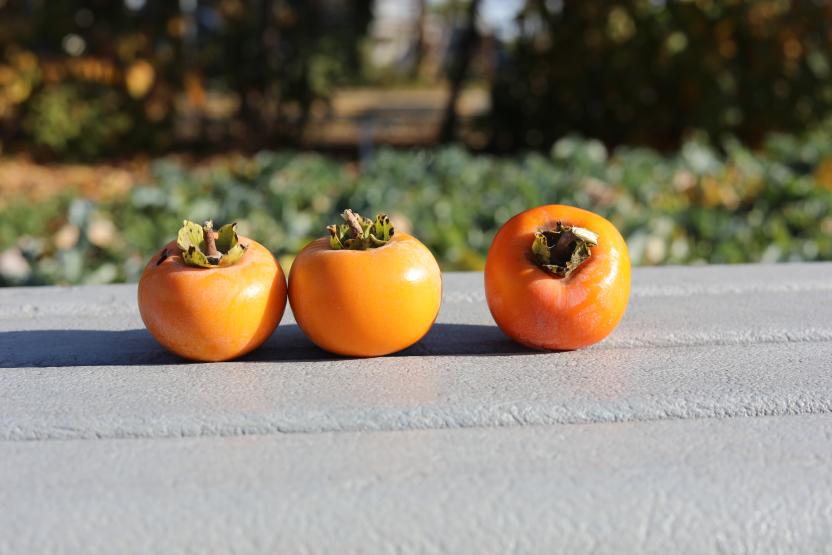
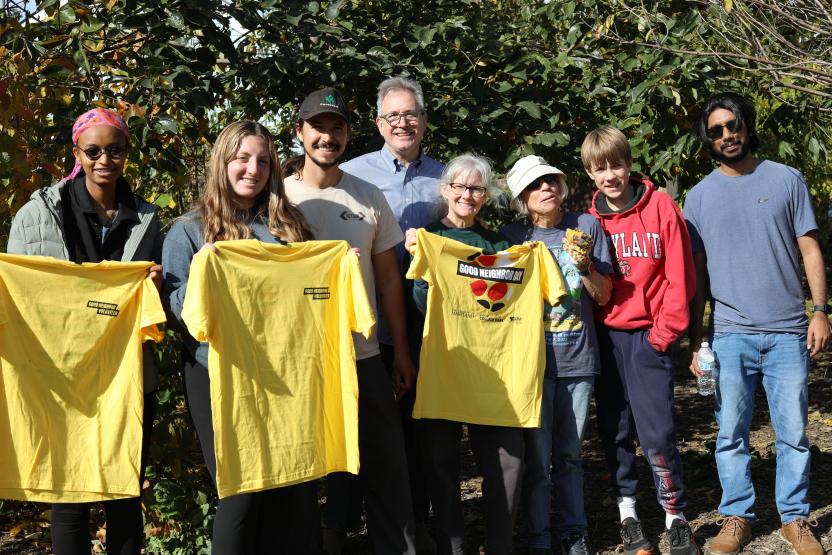
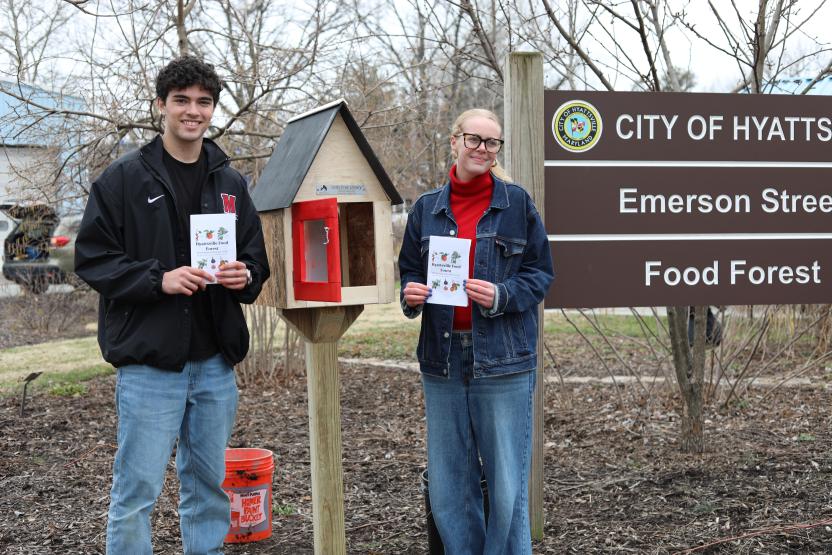
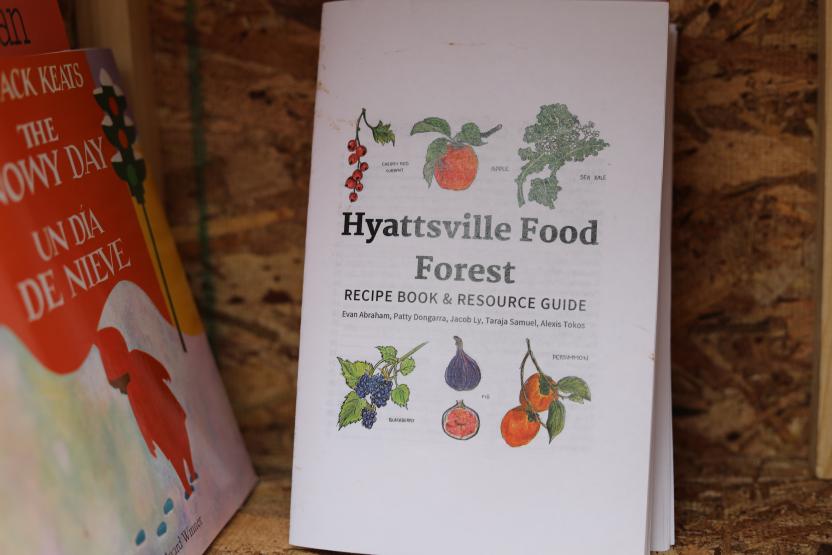
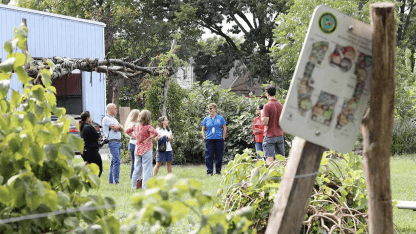
The food forests address local food insecurity, enhance community engagement, and support mental health. These permaculture gardens are open year-round for community members to harvest a variety of seasonally available, pesticide-free herbs, greens, berries, fruits, and nuts. Through site visits and coordination with City staff, the Global FEWture Alliance is assessing water and energy use at the sites, providing recommendations for improving efficiencies or overcoming existing barriers related to the food-water-energy nexus, and working to identify implementation funding for solutions the City prioritizes.
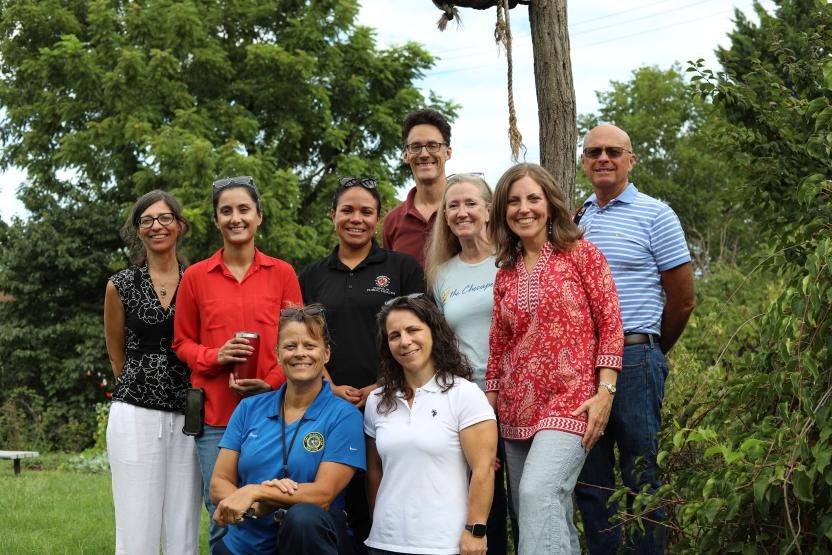
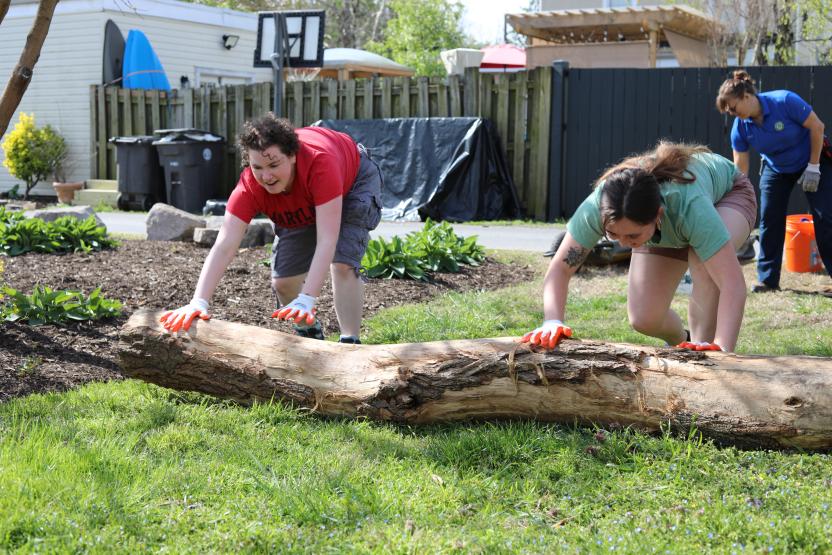
The Maryland FEWture team employs a combination of existing knowledge of best management practices and student-led internet research, to determine if there are opportunities to improve operational efficiencies and assess costs associated with those improvements. We are also developing experiential learning opportunities for UMD students to work in the food forests.
Finally, the team identifies funding programs that could support implementation of any recommended best management practices and facilitate a funding application. To encourage the replication of successful FEW practices, the EFC is developing a two-page case story to share broadly with participating Sustainable Maryland municipalities and homeowners associations.
The Maryland FEWture Team’s engagement in Hyattsville’s Food Forests will:
- Assess water and energy use at the sites, as well as other operational challenges
- Leverage the skills, knowledge, research, and capacity of the University to improve efficiencies and address challenges
- Build experiential learning and service opportunities for UMD students
- Identify and support the pursuit of implementation funding
- Create a Food Forest peer network that replicates best practices within the City; link the Sustainable Maryland program to future county- and state-wide projects; build capacity internationally through Global FEWture Alliance partnerships
This project achieves the Global FEWture Alliance objectives: