The Global FEWture Alliance
Transformative Food-Energy-Water Nexus Solutions
Our interdisciplinary, international team develops solutions that focus on all areas of the Food-Energy-Water (FEW) nexus, enhancing climate resilience and protecting global public health.
15
275+
50,000+
8
Defining the FEW Nexus
What do we mean by food-energy-water systems?
- No food can be grown without water and energy
- Wastewater treatment requires energy and electricity generation requires vast amounts of water
- Energy should be sourced sustainably in ways that don't increase climate change
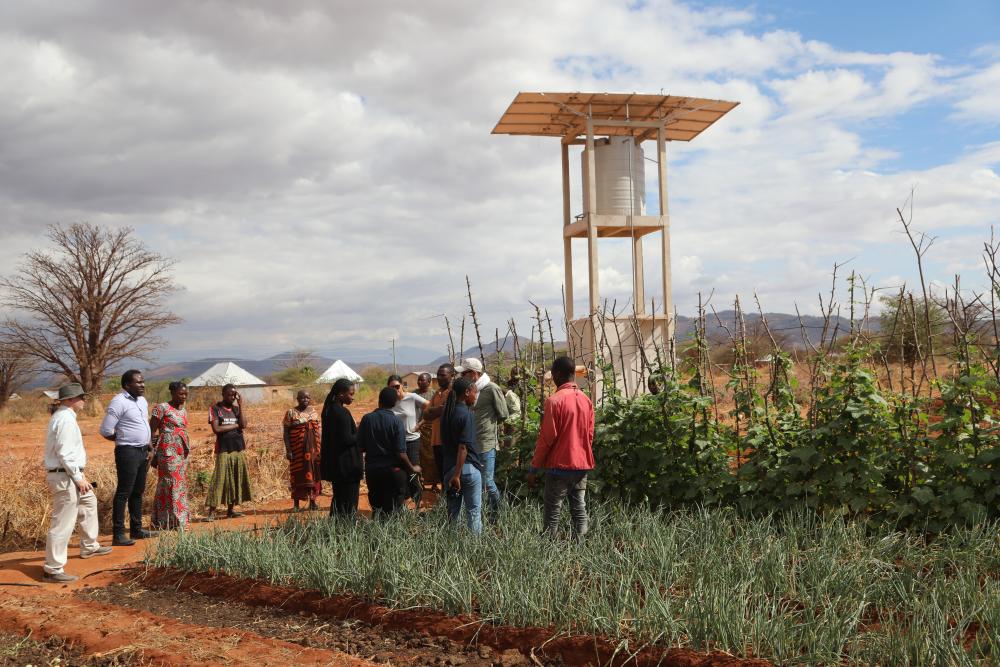
The FEW nexus approaches sustainable food production by integrating these three essential resources. We can engineer more efficient ways to irrigate crops, such as drip irrigation and rainwater capture. We can integrate renewable energy systems, such as solar arrays, biogas, and small-scale hydropower, so that food is produced with less climate impact. And we can produce a variety of nutritious food that supports public health while nurturing local ecosystems through biodiversity and permaculture forest cover.
Read more about how we integrate FEW resources across our four global locations in this ArcGIS Storymap.
Year Three Success Stories
We just finished our third year of interdisciplinary, collaborative research on food-energy-water systems. Let's celebrate a few accomplishments:
- We hosted our third annual symposium at Kathmandu University in Nepal in June 2026 with 200 attendees involved in research sessions, panels, posters and lightning talks by early career scientists.
- Two newly funded projects innovate rainwater harvesting and renewable energy from poultry waste, funded by USDA SARE grants and based in Maryland.
- Two Arts for All grants bring culture and beauty through public art to the University Park Elementary School and Plantation Park Heights Urban Farm in Baltimore.
- Two new grants support visitor learning and curriculum at the Al-Furaa FEW nexus off-grid site in Israel.
- Transport and installation of a Laguna Innovation solar-powered unit to the Shree Janak Secondary School in Nepal provides wastewater treatment and irrigation to local food plots.
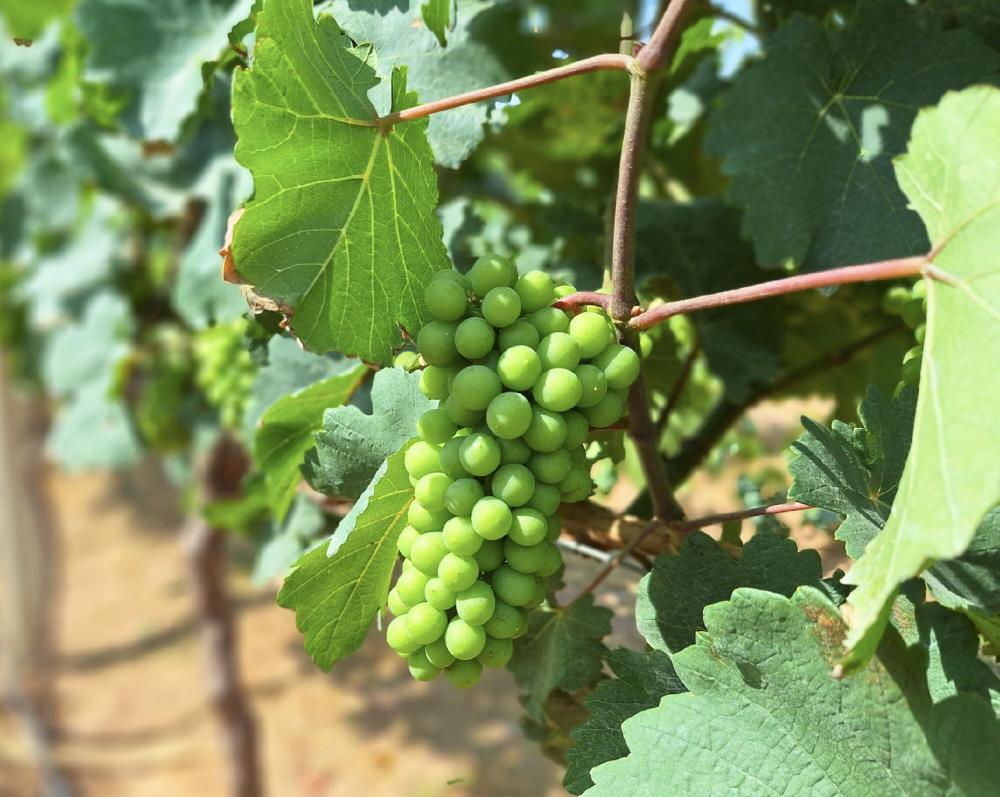
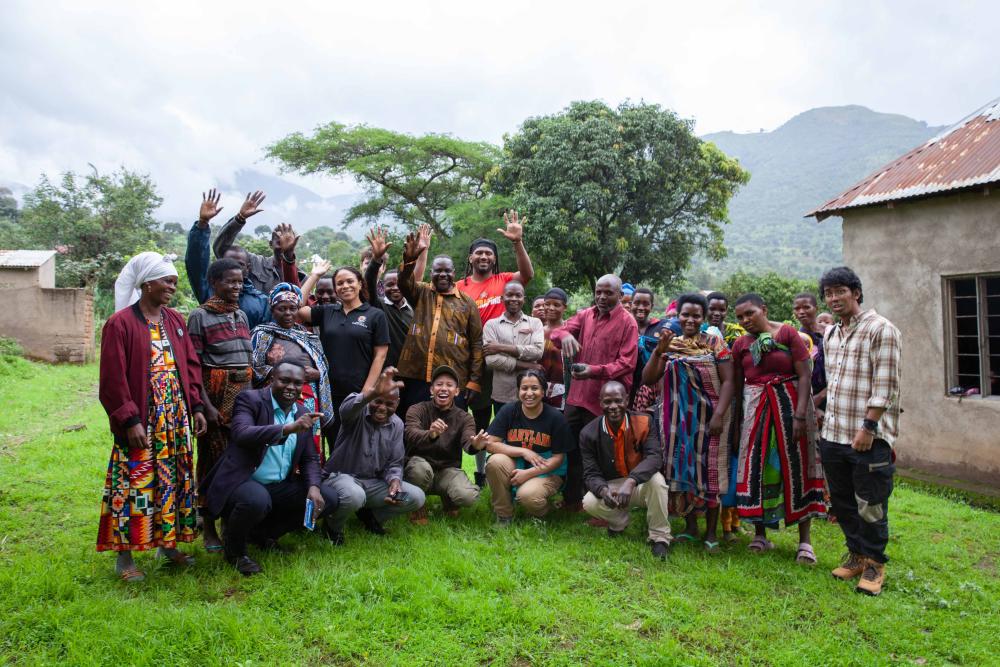
- CultivAid's six new demonstration sites across key grape-growing areas in Tanzania directly impact more than 1,000 farmers and increase wine grape yields four-fold.
- A Coursera MOOC on FEW systems, a new cohort of UMD Global STEWARDS graduate students, and community service by undergraduates enhance our education wing's offerings in FEW nexus curriculum.
Applications Open: UMD Global STEWARDS
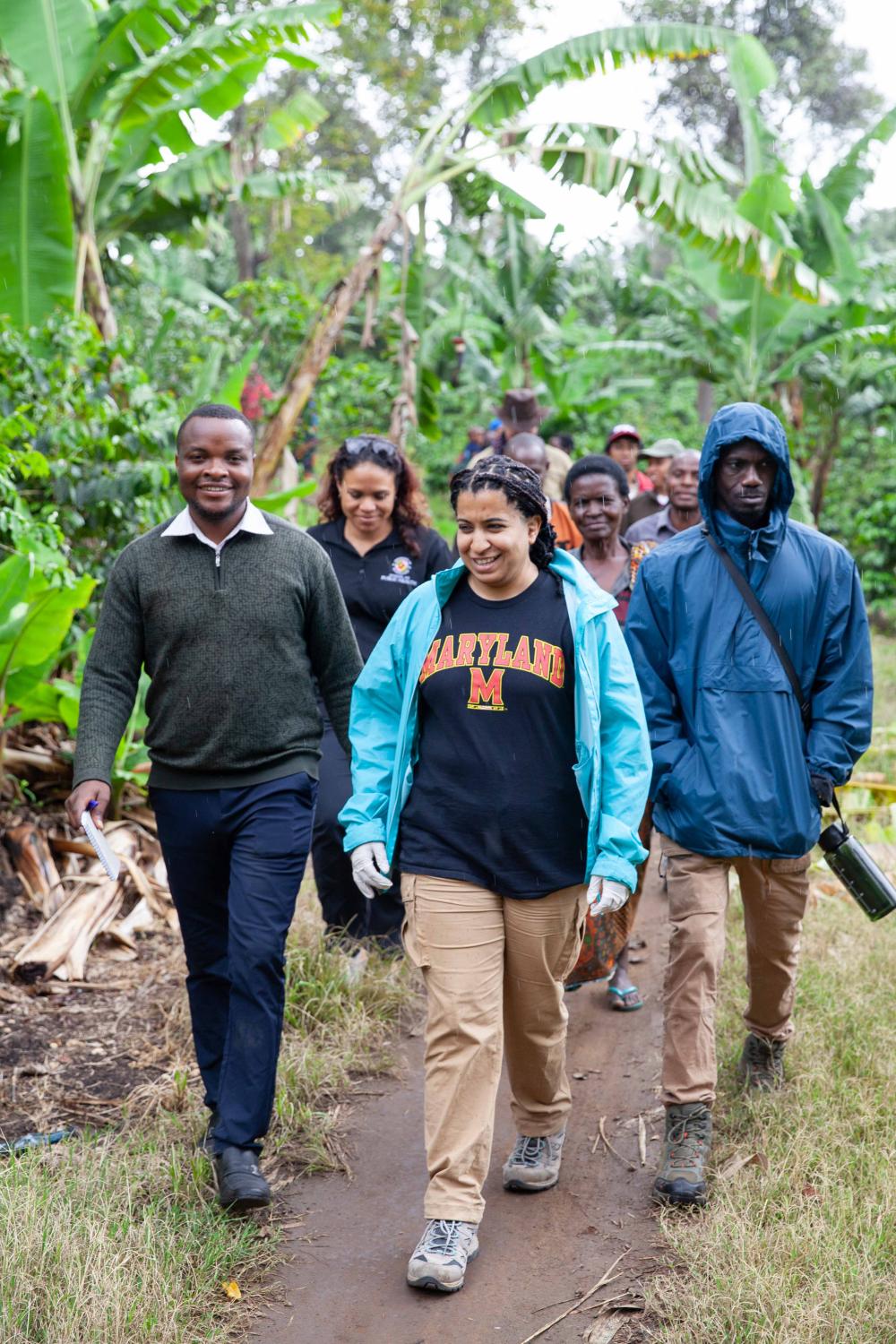
Applications are open for the 2027 cohort of the UMD Global STEWARDS (STEM Training at the Nexus of Energy, WAter Reuse, and FooD Systems) graduate training program. Originally established through an NSF grant NRT program (2018–2023), the UMD Global STEWARDS program has continued as part of the Global FEWture Alliance, a UMD Institutional Grand Challenges Program (2024–2026).
The program provides an opportunity for UMD graduate students to expand their research and professional networks while gaining interdisciplinary experience at the food-energy-water-climate-health nexus.
Who should apply? Applicants must be currently enrolled or accepted into an MS/PhD program at the University of Maryland, College Park and are interested in interdisciplinary approaches to global challenges in the food-energy-water nexus.
Application deadline: October 31st, 2026. The cohort will begin in January 2027.
Good Neighbors Return: Hyattsville Food Forest
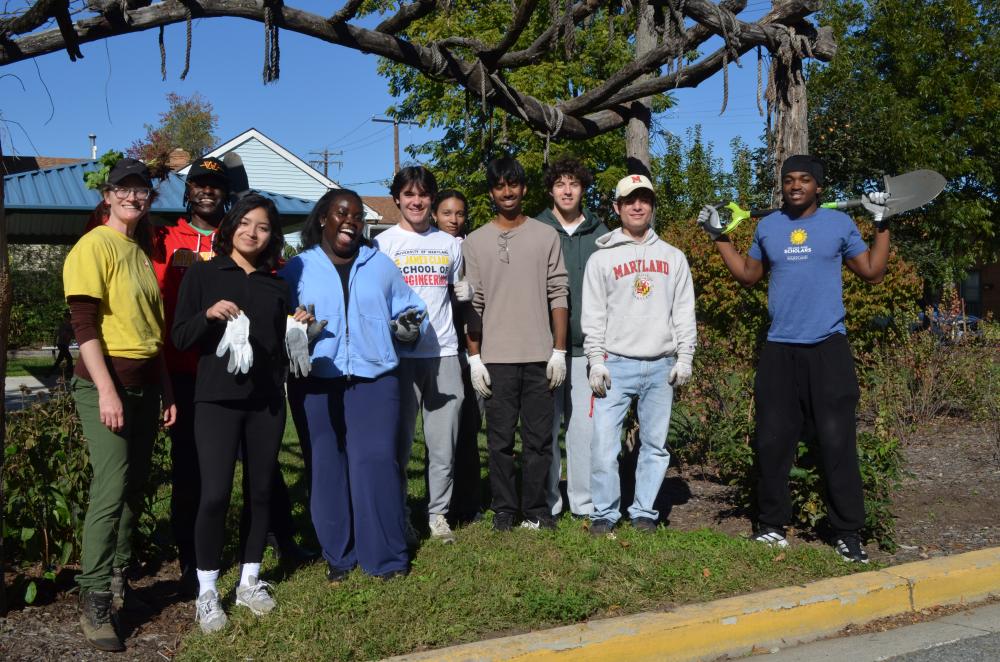
This weekend we hosted our third annual Good Neighbor Day event at the Hyattsville Food Forests! Once again, community members and students from the College Park Scholars ETE program arrived on a sunny Saturday morning ready to dig, plant, weed, harvest, and divide the most avidly growing plants.
We did a lot of gardening work in just a few hours! We planted Black-eyed Susan, Butterfly Weed, Red Current, Kiwi, and divided Sorrel. The forest looks great for fall.
Laguna Wastewater Treatment Unit Installed
Safe irrigation water is within reach!
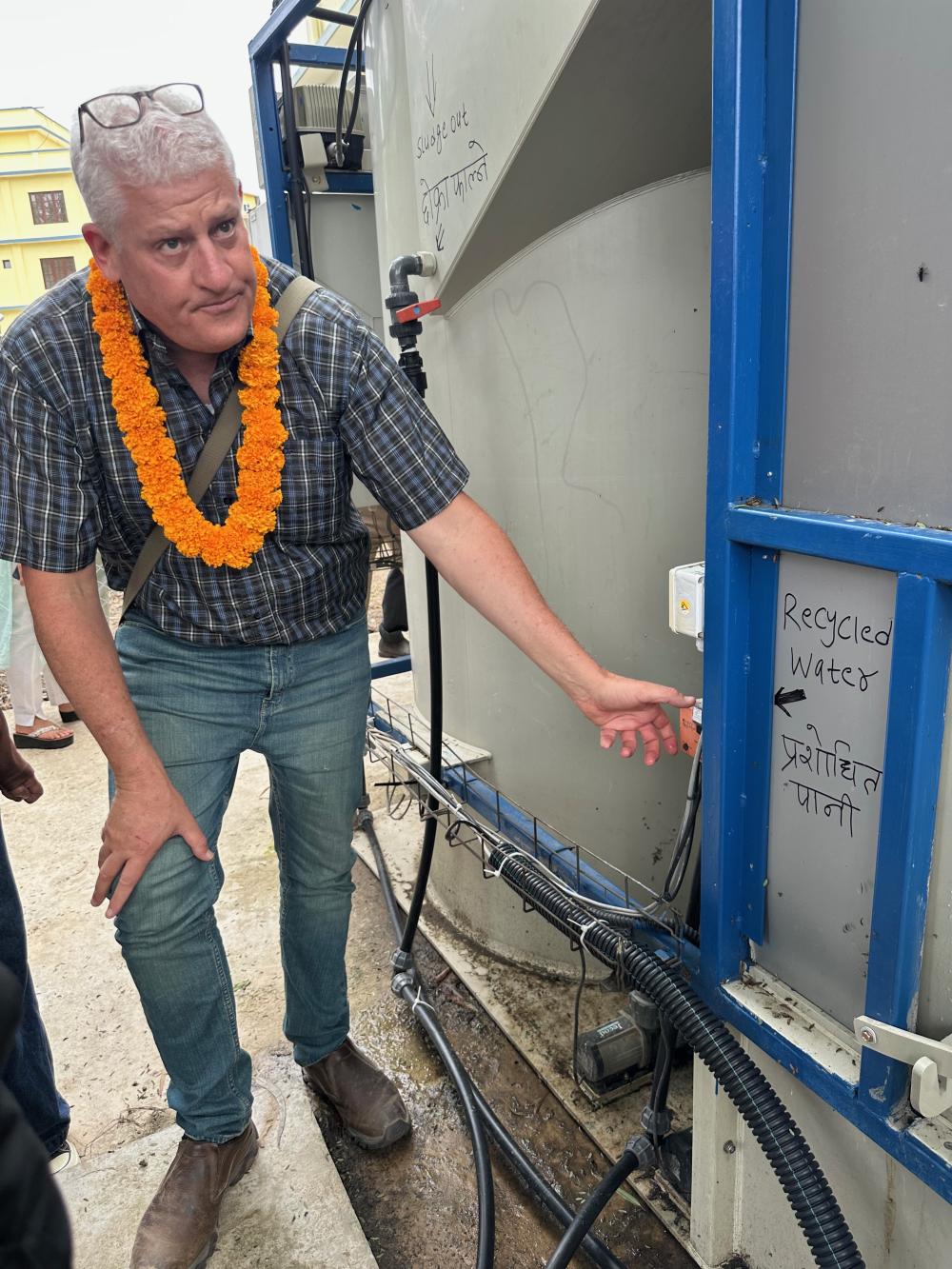
The Laguna Innovation off-grid wastewater treatment unit has been installed at Namobuddha Secondary School in Nepal. The machine in this picture receives wastewater from the school, treats it using algae and oxygenation, and provides safe irrigation water for adjacent food plots!
This technology shows the food-energy-water nexus in action: solar panels power the purification and reuse of wastewater to support nutritious food production.
Special recognition for Shree Krishna Dhital, Clive Lipchin, and Leena Malayil, the leaders of this initiative!

Third Annual Symposium in Nepal
Our third annual symposium took place at Kathmandu University, Nepal, June 29-30, 2026!
Theme: Closing the Loop: Integrating Recycled Water, Renewable Energy, and Agricultural Innovation for Climate-Resilient Sustainable Development.
With Kathmandu University, we hosted a 2-day series of talks, posters, food, and enrichments at the foothills of the Himalayas. See the video proceedings below!
UPES Community Garden Wins Grant
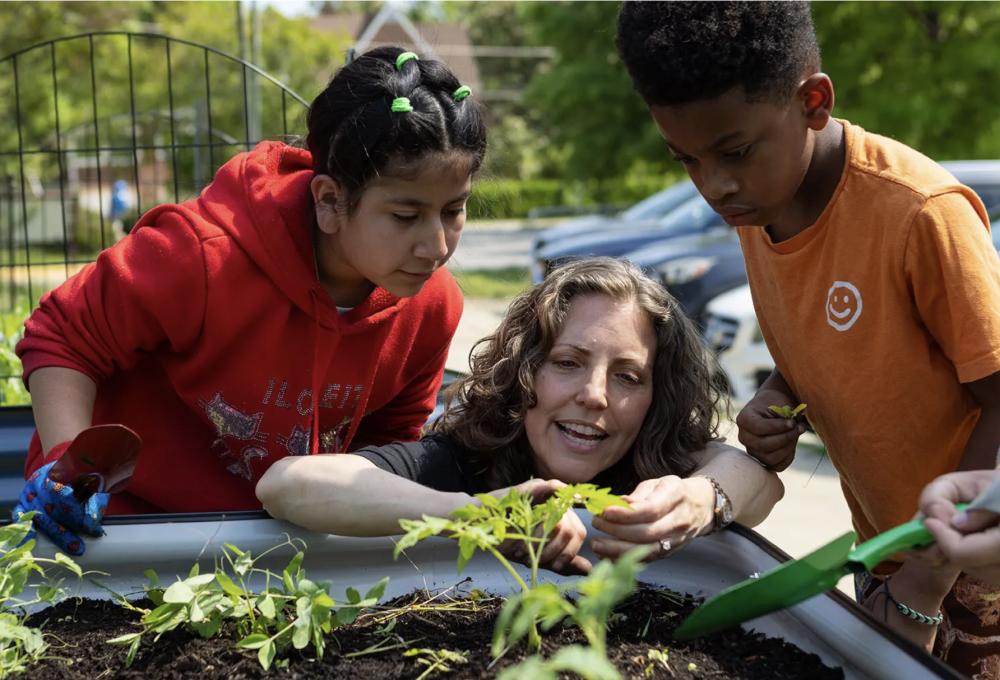
In a partnership with the Prince George's County Public Schools and the Town of University Park, we're happy to announce that the University Park Elementary School Community Garden was awarded a Sustainable Maryland Action Grant of $20,000 to support garden development in our first growing season in 2026!
This includes fencing, an outdoor classroom with benches and a white board, and garden tools to get these K-5 students outside with friends, having fun and learning how to grow nutritious food. We first planted spring crops in the beds: kale, chard, carrots, and fava beans. With summer came the hot season crops: tomatoes, peppers, basil, and dragon kale. The pollinator garden's milkweed has been a hotspot for Monarch butterflies, and several community members are raising the caterpillars for their return flight to Mexico!
The UPES Community Garden is also supported by UMD Arts for All and the Whole Kids Foundation.
Join us online for our Fall International Webinar Series!
First Wednesdays at 9am at this link.
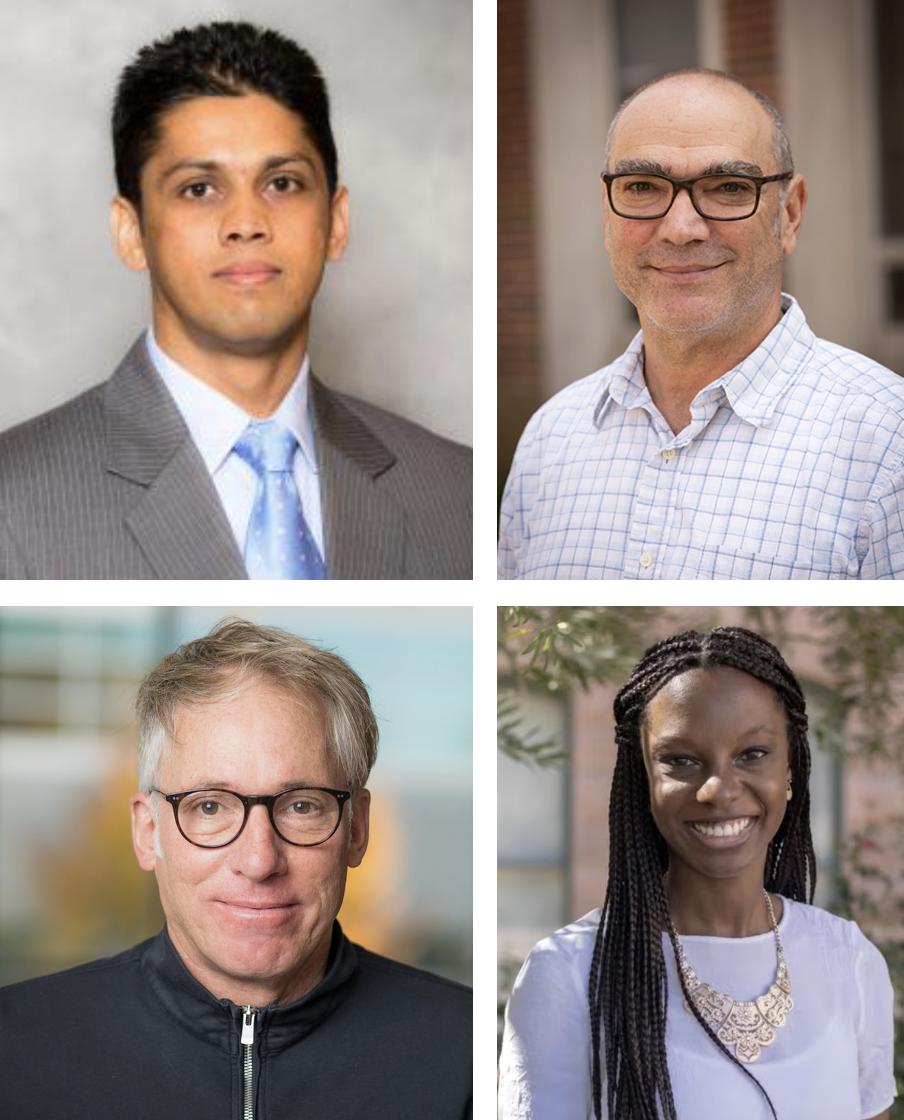
Sept 2: Yadu Pokhrel - Modeling Tradeoffs and Dynamics in Coupled Water-Food-Nutrient Systems across Managed Landscapes (https://engineering.msu.edu/directory/faculty/ypokhrel)
Oct 7: Jörg Rügemer (https://soa.cap.utah.edu/faculty-and-staff/jorg-rugemer/)
Nov 4: Michael Jacobson (https://ecosystems.psu.edu/directory/mgj2)
Dec 2: Leah Jones-Crank (https://uwaterloo.ca/water-institute/contacts/leah-jones-crank)
Register Today: Our Coursera MOOC
Our Global FEWture: Cultivating Food-Energy-Water Solutions is our new Coursera offering.
Through four accessible modules, our global team of experts teaches the systems dynamics, local challenges, and global solutions to providing food, energy, and water amid a changing climate.
The course will be of interest to farmers, community organizers, public health scientists, agricultural scientists, environmental engineers, and students across disciplines. Please join us by enrolling in the first module for free!

Follow the Global FEWture Alliance
Keep up with our activities and opportunities with a subscribe, follow, and like.
Israel FEWture
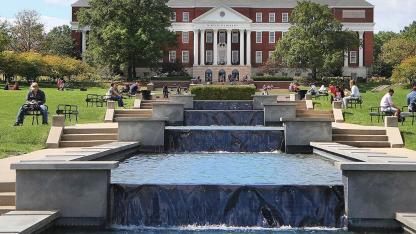
Maryland FEWture
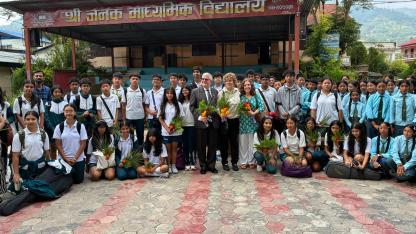
Nepal FEWture
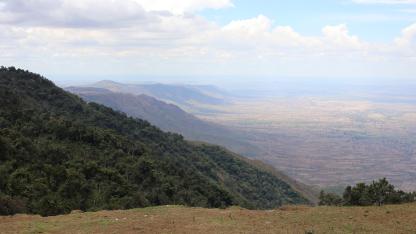
Tanzania FEWture
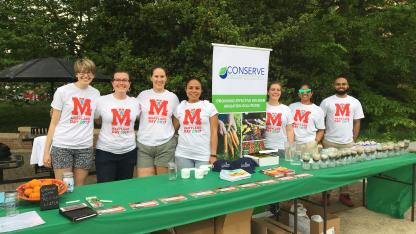
Experiential Education
Community-Driven Capacity Building