
Advanced lab techniques shed light on water quality and model the future of water safety monitoring
Project Leads: Dr. Leena Malayil; Shree Krishna Dhital; Dr. Biraj Man Karmacharya
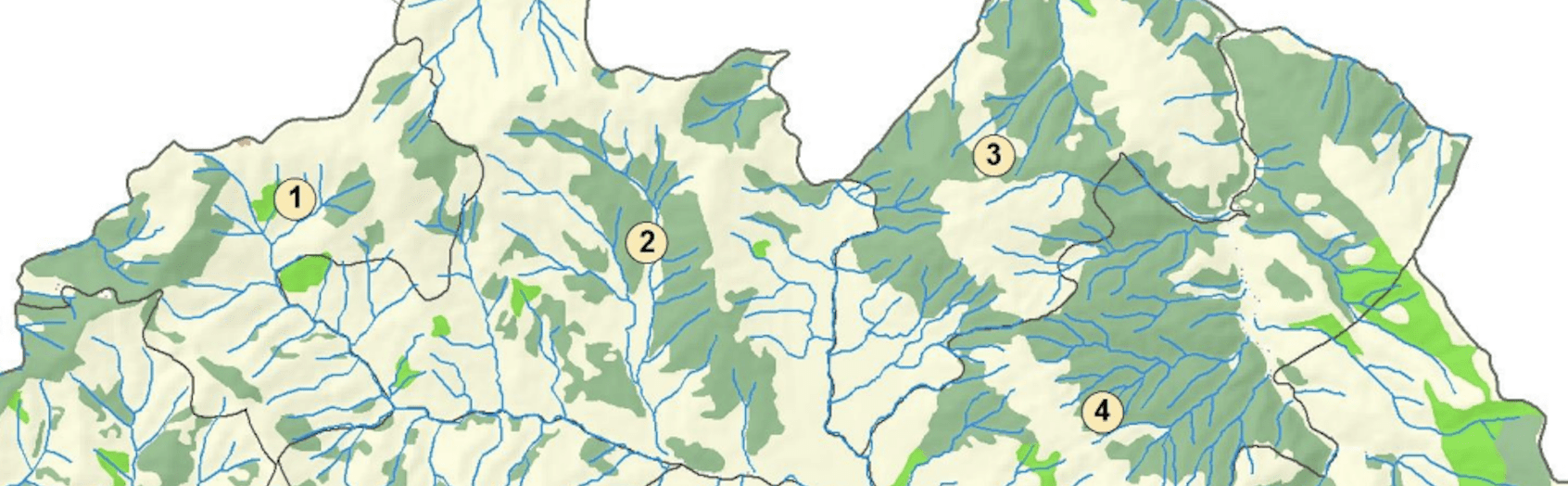
Nepal FEWture is sampling the microbial quality of drinking water and potential irrigation water sources in Namobuddha and Dhulikhel Municipalities, since the quality of drinking and irrigation water is poor and needs better monitoring.
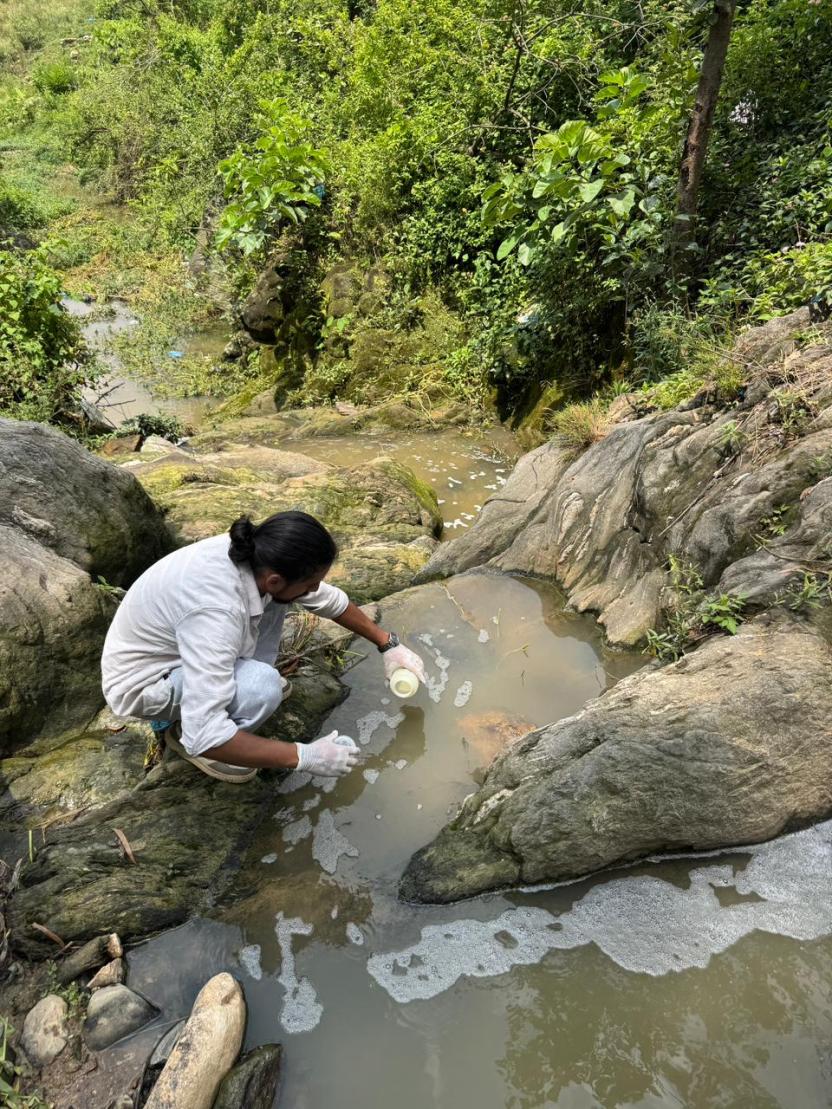
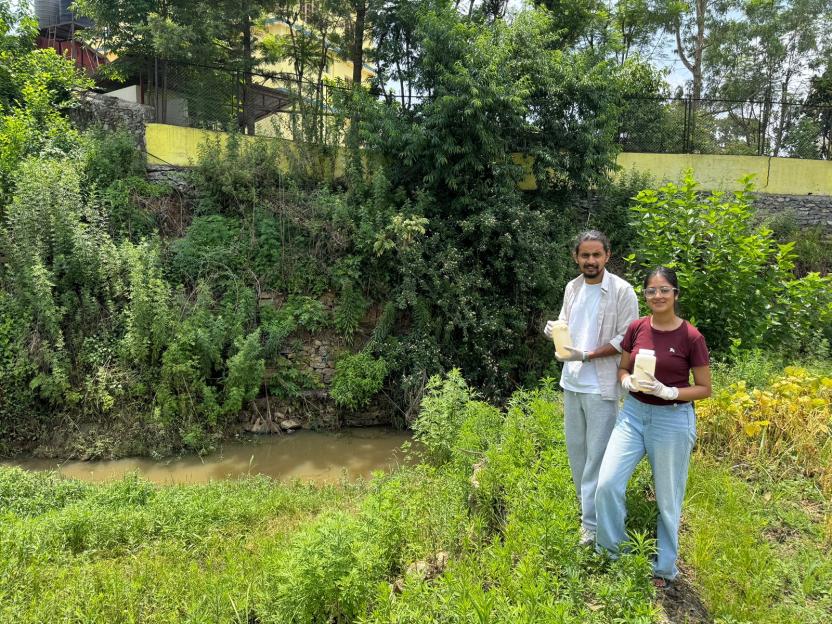
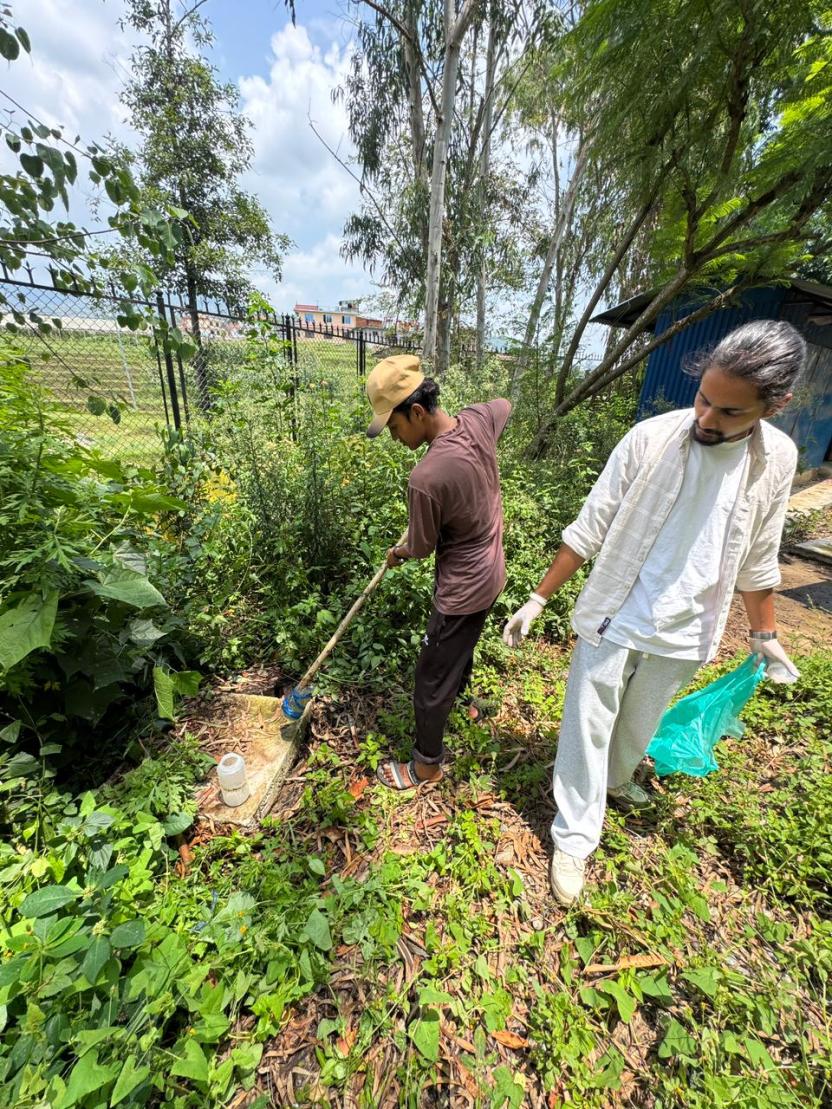
We are collecting water samples (drinking and irrigation water sources like surface water, well water, harvested rainwater, etc). Using DNA-based techniques, we will measure all of the bacterial types present in our tested samples.
Nepal FEWture is working collaboratively on the study design, protocols, and SOPs. Our Nepal-based team collaborates with students from Kathmandu University to complete the sampling efforts, and processing (enriching the water samples in nutrient broth, filtering the water samples, and extracting the DNA) of the water samples in the Dhulikhel Hospital laboratory. They prepare the DNA samples to be shipped to UMD, where our UMD-based team will complete metagenomic sequencing and conduct bioinformatic analysis of the data.
We expect to publish a collaborative peer-reviewed article providing an in-depth understanding of the baseline microbial quality and antimicrobial resistance genes present in various water sources in both municipalities.
The successful implementation of this study in Namobuddha and Dhulikhel Municipalities may serve as a replicable blueprint for other municipalities, thereby enhancing water safety across the region. The establishment surveillance system would enable more efficient monitoring of water quality, leading to improved decision-making and resource allocation.
Project objectives:
- Determine representative sampling locations
- Collect samples at the municipalities and process them at Kathmandu University
- Identify pollution hotspots and potential sources of contaminants affecting water quality
- Establish water quality monitoring surveillance system
- Engage Kathmandu University students to assist in research and sample processing
Fulfills Global FEWture Alliance Objectives: