
Project Leads: Dr. Leena Malayil; Shree Krishna Dhital
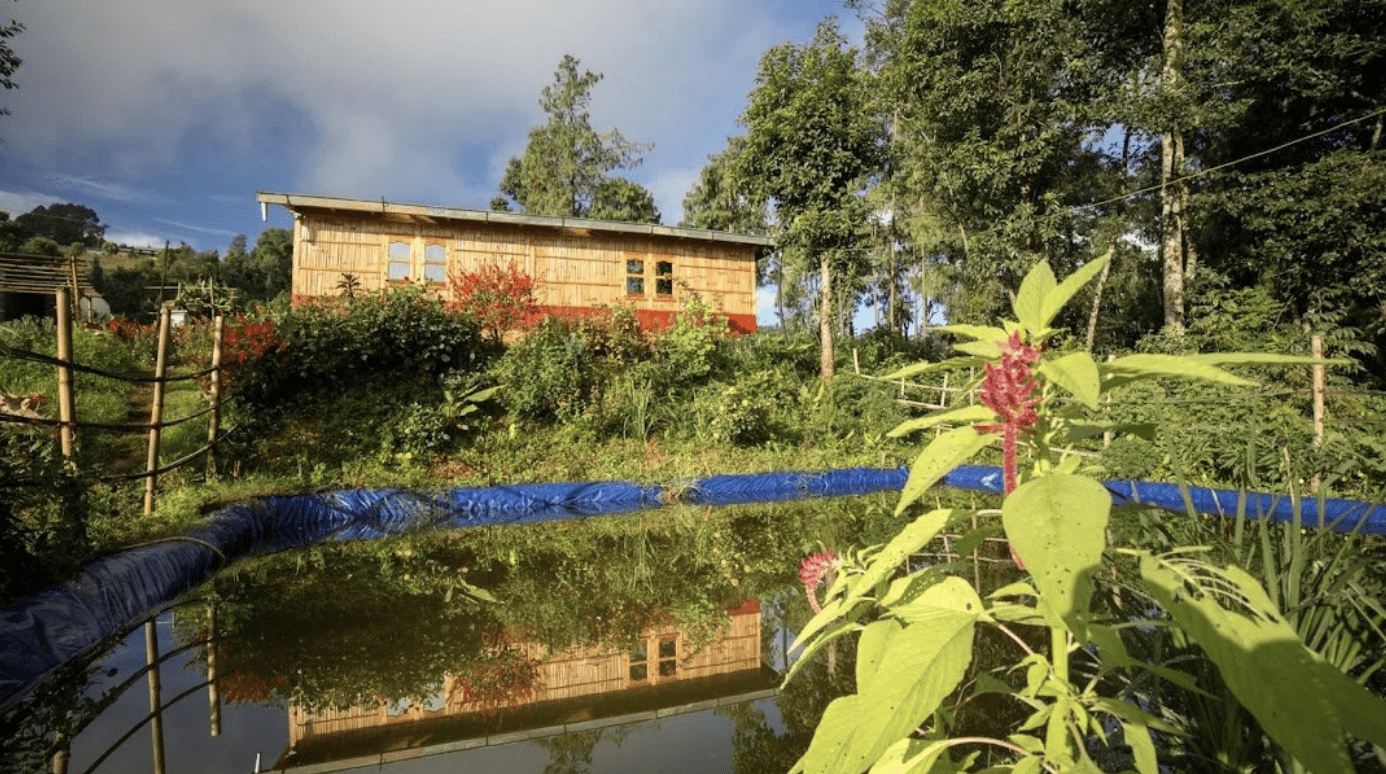
Harvested rainwater has long held potential as an irrigation alternative to ground- and surface water resources. Since Nepal receives monsoon rains from June to early October, harvesting this water during the monsoons and using it to irrigate food crops in the dry season is an adaptive strategy to maintain crop production and alleviate food insecurity.
Before this practice can be expanded, though, we need to understand the microbial quality of this rainwater. Dr. Malayil and collaborators will conduct field-based research that will characterize the microbial quality of rainwater ponds and track live bacteria from rainwater to irrigated soil and produce. The team will also engage in community-driven capacity building that will train and inspire future agricultural water use leaders in Nepal.
The project is a collaborative effort among the CONSERVE Center of Excellence, the Sanskriti Farms and Research Center, and Kathmandu University. This project will serve as an international model for collaborative, interdisciplinary research, community-driven capacity building, and training focused on sustaining water and food security beyond Nepal in other resource-challenged nations.
Project Objectives:
- Characterize the microbial quality of harvested rainwater
- Track bacteria from rainwater into produce to assess health outcomes
- Train local students and farmers best practices for rainwater harvesting infrastructure and safety
Fulfills Global FEWture Alliance Objectives: