
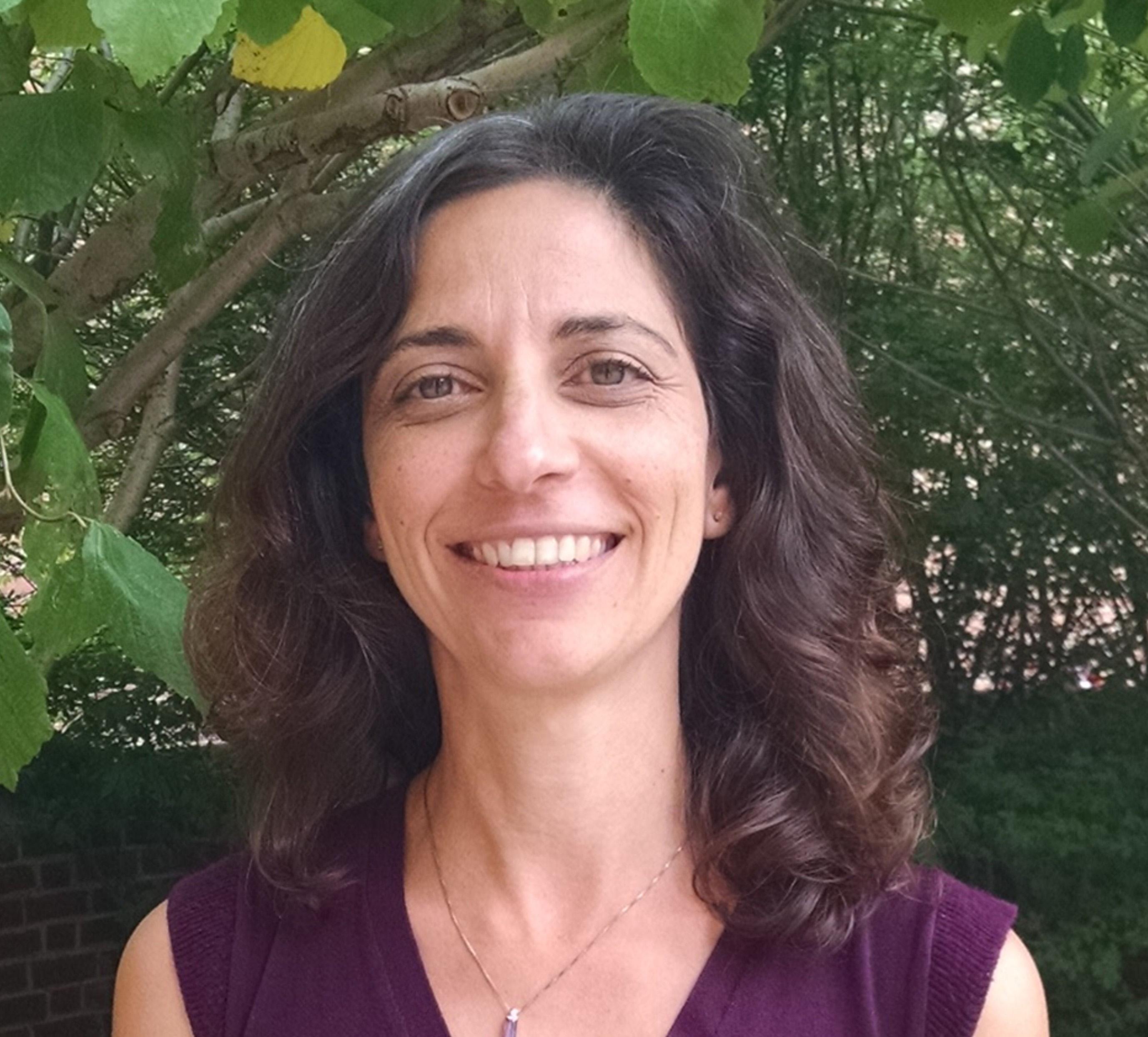
Shirley Micallef
Professor | Dept of Plant Science and Landscape Arch | Co-PI | UMD
smicall@umd.eduDr. Shirley Micallef is a Professor in microbial ecology and safety of fruit and vegetables at the University of Maryland in College Park. Her work on food safety focuses on human pathogen-plant interactions using Salmonella-tomato and E. coli O157:H7-lettuce systems.
In controlled environments, her group is investigating plant traits and environmental conditions that modulate the enteric pathogen-plant association, while also assessing plant responses and resilience to abiotic stresses and impact on extranutritional quality of crops.
She also conducts research that evaluates agricultural practices that affect enteric pathogen dispersal onto crops in field environments. She has led several studies that assessed surface and reclaimed water as reservoirs for human pathogens and antimicrobial resistance (AMR) and adopted plant microbiome analyses to map the influence of irrigation on crop microbiota.
Research Interests: Food safety; nutritional quality of crops; crop resilience to climate change; beneficial microbes for crops
Areas of Expertise: Microbial ecology; microbial food safety; good agricultural practices; plant-microbe interactions; plant growth-promoting bacteria; microbial water quality; microbiology of agro-environment; plant secondary metabolites