Global FEWture Alliance
About People Projects Events Research Areas News Partner Programs School of Public Health
About
Our Values Integrated Approach History
People Projects
Capacity Building Experiential Education Israel FEWture Maryland FEWture Nepal FEWture Tanzania FEWture
Events
International Webinar Series Third Annual Symposium UMD Global STEWARDS Summer Amp East Africa Food-Energy-Water Conference
Research Areas
Biochar and Soil Fertility Educating the Next FEW Leaders Methane and Waste to Wealth Rainwater Harvesting and Irrigation Water Quality and Water Reuse
News Partner Programs School of Public Health
Our Values Integrated Approach History
Capacity Building Experiential Education Israel FEWture Maryland FEWture Nepal FEWture Tanzania FEWture
International Webinar Series Third Annual Symposium UMD Global STEWARDS Summer Amp East Africa Food-Energy-Water Conference
Biochar and Soil Fertility Educating the Next FEW Leaders Methane and Waste to Wealth Rainwater Harvesting and Irrigation Water Quality and Water Reuse
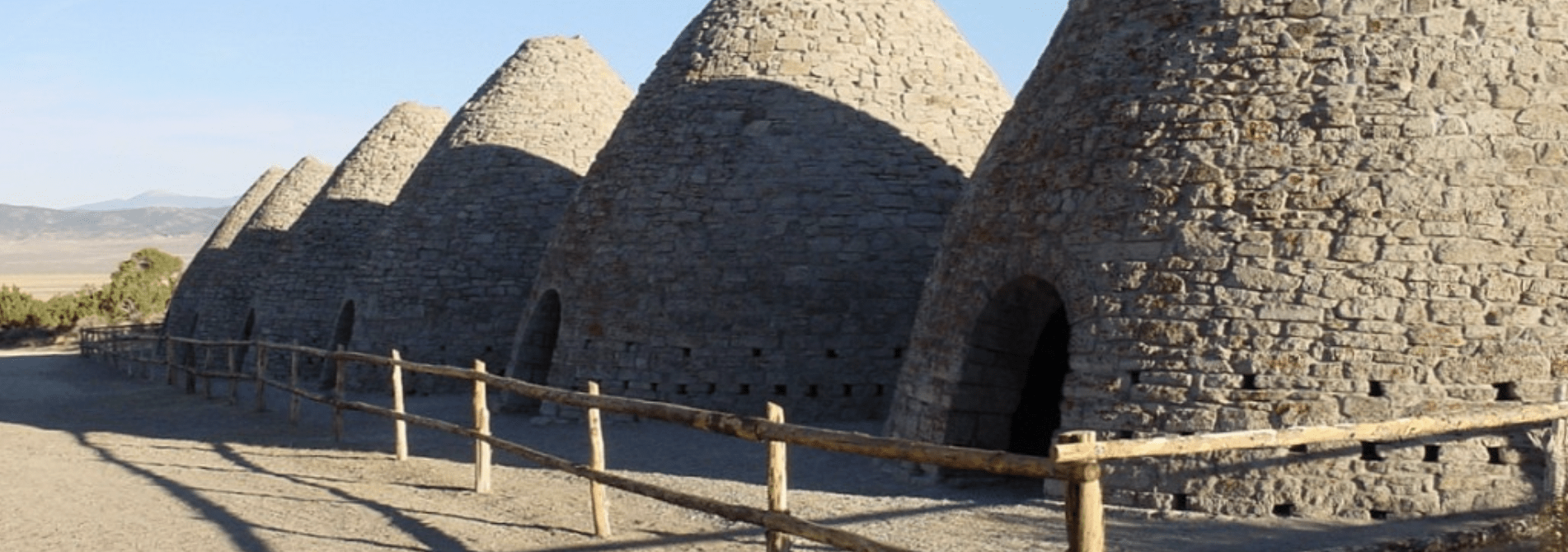
charcoal

Biochar Soil Amendments

Home Nepal FEWture Biochar Soil Amendments
Higher crop yields powered by a sustainable, climate-friendly fertilizer

Project Lead: Shree Krishna Dhital

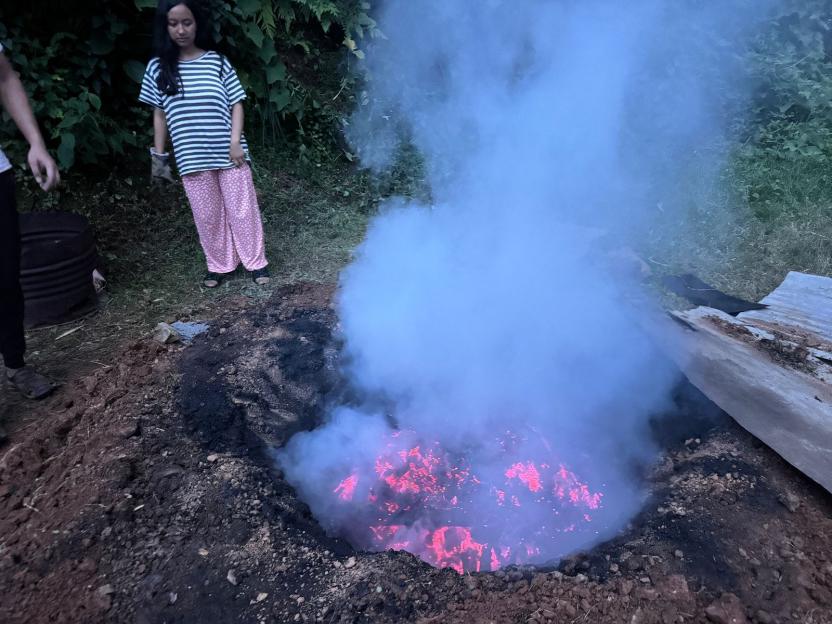
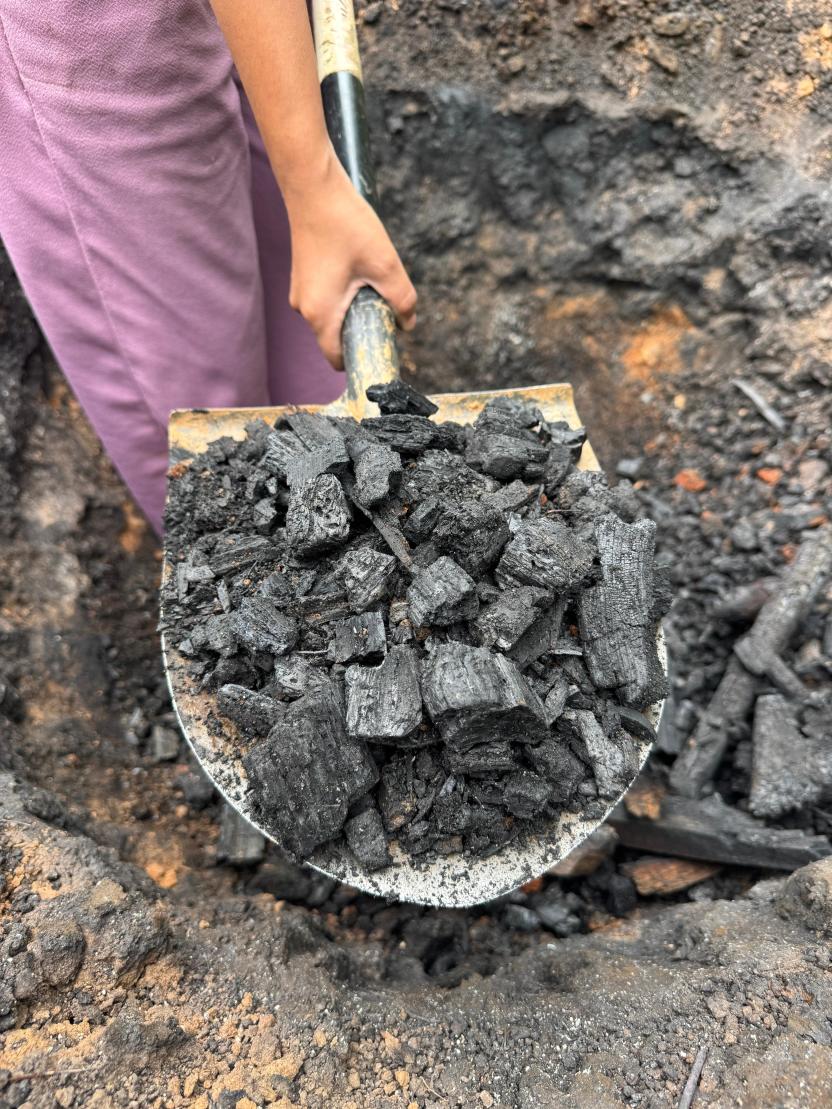
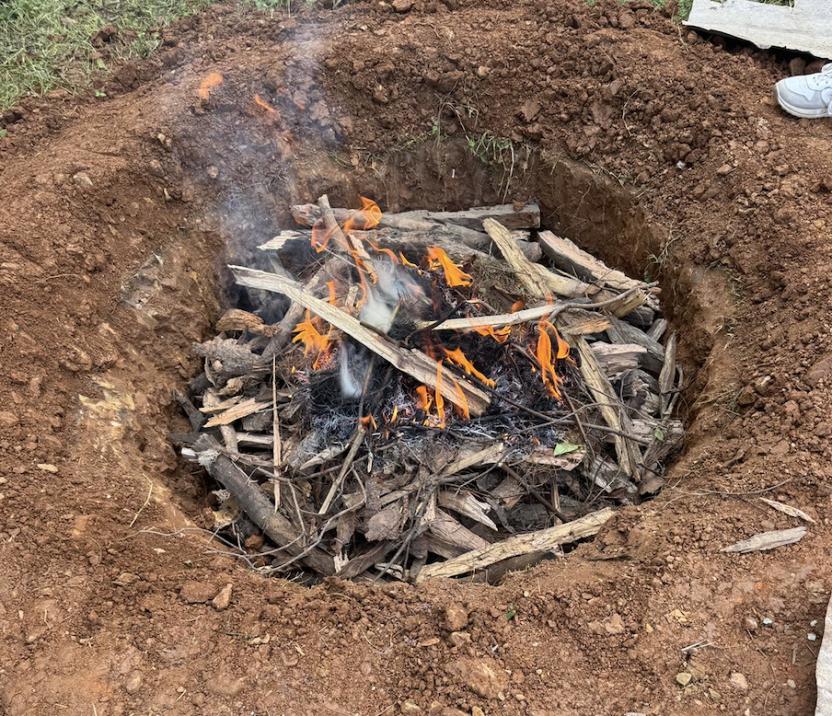
Nepal FEWture is researching the role of biochar as a soil amendment that increases crop yield. Biochar has been found to be a useful tool in increasing crop yield globally. It is a form of charcoal that is produced by heating organic materials in the absence of oxygen. When added to soil, biochar can improve its fertility, water retention, and nutrient availability. Additionally, it can reduce greenhouse gas emissions by sequestering carbon in the soil. Farmers in Nepal can benefit from incorporating biochar into their agricultural practices, but it is important to understand the proper application methods and potential drawbacks.

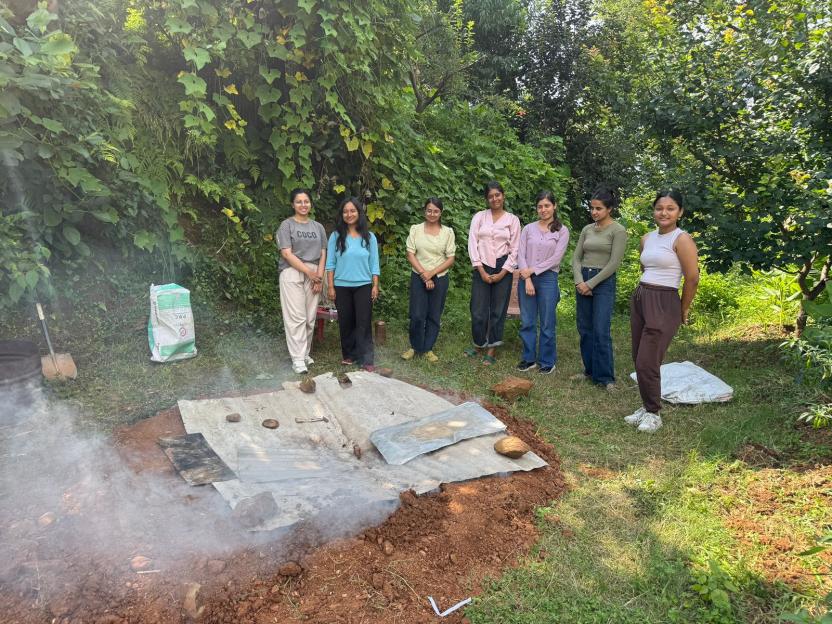
This project is an ongoing study with partners at the Renewable Energy Lab at Kathmandu University, Ireland's Dublin University, and Engineers Without Borders. Sampling sites, agro-surveys, and biochar preparation are ongoing. The next step will be to test the biochar quality for crop yield improvement. We expect to publish a peer-reviewed article on the role of biochar in crop yield enhancements. 
Fulfills Global FEWture Alliance Objective: 

Global FEWture Alliance
School of Public Health, College Park, MD 20742, USA
globalfewture@umd.edu 301-405-2438